
• course Info
  • Content
  • Ce Approvals

Psychosocial Approaches to Negative Symptoms in Psychosis: Session 5 "Family Perspectives and Engagement"

CE Hours 1

About this course

Part 1: Sydney Harris and Ishaa Vinod Chopra - Family Member Perspective
The format of this session will be a dialog, including questions and answers between a family member and an experiencer. The session will explore how we define “negative symptoms”, how they might be viewed by family members, and by their loved ones. People with negative symptoms may agree or have quite different perspectives. To complicate things, there can also be disagreement between family members, spouses, siblings, grandparents and extended family.
No matter how we define negative symptoms, they are usually problematic for everyone. What exacerbates the negative symptoms and/or stress within the family? How do we cope? What works and what doesn’t? This varies from person to person, but there are also commonalities. This presentation will explore these questions further.

Part 2: Hilary Mairs, PhD – Working with Families to Improve Expressivity and Motivation
Recent approaches that embed family-based interventions into all aspects of mental health care appear to offer the most promise in reducing negative symptoms, particularly in the early stages of psychosis. This talk explores the background, theory and practice of working with families to support people with psychosis and limited emotional expression and activity. Strategies for mental health practitioners to engage carers in positive alliances and the structured psychosocial interventions distilled in these approaches will be highlighted.

Learning Objectives

  • Describe the perspectives of family members and loved ones experiencing negative symptoms to inform comprehensive understanding of the family system.
  • Discuss the influence of family in the experience of negative symptoms.
  • State the theory and evidence base for supporting families and social networks in the context of psychosis and negative symptoms.
  • Explain optimal strategies to engage carers in positive therapeutic alliances and structured psychosocial family-based treatment approaches.
  • Describe their practice with families and the continuing development needed to become skilled and creative family intervention practitioners.

Learning Levels

  • Beginner
  • Intermediate
  • Advanced

Course Instructor(s)

  • Sydney Harris, M.AmSAT

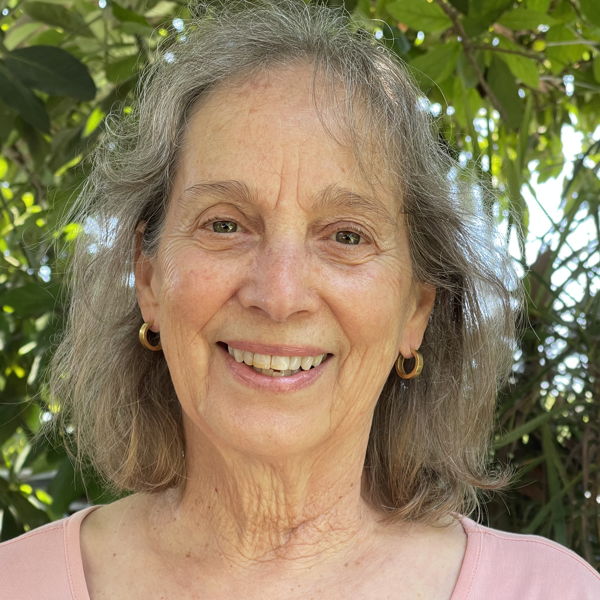
    Sydney is the mother of an adult son who suffered from extreme states while he was in college. Initially, she naively thought that her son’s behavior - “negative symptoms” were related to delayed adolescence. It soon became apparent that much more was going on with him that she and her husband didn’t understand. They became frightened and frantically looked for answers. It has been over ten years since this journey began, and the family has cycled through many phases. They are still learning how to be together.

    Sydney is sad that her son has suffered so much. However, his suffering encouraged her to look at herself, not just try to fix him. She has pursued this through psychoanalysis, the Maestricht Interview Training, reading, numerous classes and attending the Mad in America support group. Her life has been greatly enriched by these endeavors and helps her to stay open to what may be possible for her son.

    She also hopes that by combining what she has learned with her professional experience, she has something unique to offer caregivers and their loved ones. She has been an Alexander Technique (AT) teacher, and an AT teacher-trainer for over 45 years. Sydney also serves on the board of ISPS-US.

  • Ishaa Vinod Chopra

    Ishaa is a Guelph MSc. Candidate in Critical Family and Kinship Studies with an Interdisciplinary focus on Gender, Sexualities and Bodies at the University of Guelph, Canada. She has a Diploma and Honours Degree in Early Childhood Education from George Brown College. A BFA in Indian Classical dance of Kathak; she was trained under Guru Pta. Maneesha Sathe and now Prajakta Dravid- founder of Kathak school- Ātmikā in Toronto.

    'Finding Order in Disorder', her deeply personal memoir, explores intersectional themes of lived experiences in mental well-being and being a survivor of intimate partner violence through the medium of expressive arts such as dance therapy, mad poetry, visual arts, and journaling. She has led dance workshops through community arts engagement at Toronto Neighbourhood Organization- TNO, George Brown Polytechnic and Workman Arts programming at Meridian Arts Centre.

    An artist-scholar, her multidisciplinary art is featured in a York University thesis film ‘Unfinished’ screened at Workman Arts Organization's Rendezvous with Madness, Stella’s Place Mental Health film festivals. Her work has been disseminated at academic conferences such as Children’s Mental Health Ontario - CMHO , International Society of Psychosocial Approaches to Mental Health- ISPS-US, Digital Mental Health International Collaborative- eMHIC and Council of Exceptional Children - CEC.

    Her writing, inspired by her Supervisor, Dr. Adam W.J. Davies, has appeared in AECEO’s eceLINK journal. She is the CEO and Founder Finding Order in Disorder Foundation Non-Profit & Arts Collective that seeks to explore projects such as hybrid podcasts, therapeutic dance and community engagement for mental wellness.

  • Hilary Mairs, PhD, MSc, BA(Hons), DipCOT

    rofessor Hilary Mairs is an Occupational Therapist by background. She is the current Deputy Head of the School of Health Sciences at The University of Manchester. Her clinical experience, teaching and scholarship have focused on individual and family psychosocial interventions for psychosis. She has published several papers and facilitated workshops in Europe and the Far East relating to interventions to address reduced expression and activity (negative symptoms) in psychosis/schizophrenia. Her book, Revisiting Negative Symptoms: Working with reduced expression and activity in psychosis, has been published in English (2017) and Italian (2019). Professor Mairs has also worked with service user and carer networks to co-produce educational materials about hearing voices (positive symptoms of psychosis) and reviews of specific educational strategies to enhance student and healthcare professionals understanding of these experiences.

Disclosure

DISCLOSURE OF RELEVANT FINANCIAL RELATIONSHIPS CE Learning Systems adheres to the ACCME’s Standards for Integrity and Independence in Accredited Continuing Medical Education. Any individuals in a position to control the content of a CE activity ― including faculty, planners, reviewers, or others ― are required to disclose all relevant financial relationships with ineligible entities (formerly known as commercial interests). The following relevant financial relationships have been disclosed by this activity’s planners, faculty, and the reviewer: PLANNERS AND REVIEWER The planners of this activity have reported that they have no relevant financial relationships. FACULTY The faculty of this activity have reported that they have no relevant financial relationships.

References

  • Estradé, A., Onwumere, J., Venables, J., Gilardi, L., Cabrera, A., Rico, J., ... & Fusar-Poli, P. (2023). The lived experiences of family members and carers of people with psychosis: a bottom-up review co-written by experts by experience and academics. Psychopathology, 56(5), 371-382. https://doi.org/10.1159/000528513
  • Lewins, A., Morant, N., Akther-Robertson, J., Crellin, N. E., Stansfeld, J. L., Smith, R., & Moncrieff, J. (2024). A qualitative exploration of family members’ perspectives on reducing and discontinuing antipsychotic medication. Journal of Mental Health, 33(3), 333-340. https://doi.org/10.1080/09638237.2022.2069710
  • Gleeson, J. F., Ludwig, K., Stiles, B. J., Piantella, S., McNab, C., Cotton, S., ... & Penn, D. L. (2025). Systematic review and meta-analysis of family-based interventions for early psychosis: Carer and patient outcomes. Schizophrenia Research, 276, 57-78. https://doi.org/10.1016/j.schres.2025.01.006
  • Ong, H. S., Fernandez, P. A., & Lim, H. K. (2021). Family engagement as part of managing patients with mental illness in primary care. Singapore medical journal, 62(5), 213. https://doi.org/10.11622/smedj.2021057
  • Claxton, M., Onwumere, J., & Fornells-Ambrojo, M. (2017). Do family interventions improve outcomes in early psychosis? A systematic review and meta-analysis. Frontiers in psychology, 8, 371. https://doi.org/10.3389/fpsyg.2017.00371
  • Mairs, H. (2017). Revisiting negative symptoms: Working with reduced expression and activity in psychosis. Macmillan Education.
  • Lutgens, D., Joober, R., Iyer, S., Lepage, M., Norman, R., Schmitz, N., ... & Malla, A. (2019). Progress of negative symptoms over the initial 5 years of a first episode of psychosis. Psychological Medicine, 49(1), 66-74. https://doi.org/10.1017/S003329171800048X
  • Lutgens, D., Gariepy, G., & Malla, A. (2017). Psychological and psychosocial interventions for negative symptoms in psychosis: systematic review and meta-analysis. The British Journal of Psychiatry, 210(5), 324-332. https://doi.org/10.1192/bjp.bp.116.197103

CE Process Info

Content

  • Webinar
    2 parts
    • Hilary Mairs Slides
    • Recording
  • Joint Accreditation

    Joint Accreditation (JA)

    In support of improving patient care, CE Learning Systems is jointly accredited by the Accreditation Council for Continuing Medical Education (ACCME), the Accreditation Council for Pharmacy Education (ACPE), and the American Nurses Credentialing Center (ANCC), to provide continuing education for the healthcare team.

  • American Psychological Association (APA)

    Continuing Education (CE) credits for psychologists are provided through the co-sponsorship of the American Psychological Association (APA) Office of Continuing Education in Psychology (CEP). The APA CEP office maintains responsibility for the content of the programs.

  • New York Education Department's State Board for Social Work (NYEDSW)

    CE Learning Systems, LLC  (d/b/a impactce.com) is recognized by the New York State Education Department's State Board for Social Work as an approved provider of continuing education for licensed mental health counselors. #0060.

  • New York Education Department Board of Creative Arts Therapy (NYSEDCAT)

    CE Learning Systems, LLC  (d/b/a impactce.com) is recognized by the New York State Education Department's State Board of Creative Arts Therapy as an approved provider of continuing education for licensed mental health counselors. #CAT-0008

  • New York Education Department for Licensed Mental Health Counselors (NYSEDLMHC)

    CE Learning Systems, LLC  (d/b/a impactce.com) is recognized by the New York State Education Department's State Board for Mental Health Practitioners as an approved provider of continuing education for licensed mental health counselors. #MHC-0072.

  • New York Education Department Board for Licensed Psychoanalysts (NYSEDLP)

    CE Learning Systems, LLC  (d/b/a impactce.com) is recognized by the New York State Education Department's State Board for Psychoanalysts as an approved provider of continuing education for licensed mental health counselors. #P-0031.

  • New York State Education Department's State Board for Psychology (NYEDPSY)

    CE Learning Systems, LLC  (d/b/a impactce.com) is recognized by the New York State Education Department's State Board for Psychology as an approved provider of continuing education for licensed mental health counselors. #PSY-0016.

  • New York Education Department's State Board for Marriage and Family Therapy (NYEDMFT)

    CE Learning Systems, LLC  (d/b/a impactce.com) is recognized by the New York State Education Department's State Board for Marriage and Family Therapy as an approved provider of continuing education for licensed mental health counselors. #MFT-0045.

Psychosocial Approaches to Negative Symptoms in Psychosis: Session 5 "Family Perspectives and Engagement"
You Have Completed This course
$30
You are enrolled
  • CE Hours
    1
  • Type
    Self-Paced
  • Publication Date
    Apr 13th, 2026

Reset password


Reset your password by providing your email below


Next

We sent a reset password link to the email address you provided.


{{reset.email}}


If you do not see the email, try checking your junk or spam folder.


If you don't receive a link in the email you provided, please click the button below to resend the verification email.

Resend

Please wait {{timer}} seconds to resend


Next

Sign in


Enter your email to get started.


Next

Sign in


Good news! Your email is associated with an account. Enter your password or click here to reset it


Login

Thanks for signing up!


We sent an verification email to the address you provided. Please check your email to verify your email address.


{{signup.email}}


If you do not see the email, try checking your junk or spam folder.


If you don't receive a link in the email you provided, please click the button below to resend the verification email.


Resend

Please wait {{timer}} seconds to resend

Sign up


Sign up

Shopping Cart


Items
Price
Remove
  • {{ item.name }} ({{ item.courses.length }} courses)

    {{ item.credit_hours }} Credits
    {{ item.coupons.map((c)=> c.code).join(', ') }}
    ${{ item.totals.price }}
    ${{ item.totals.total_price }}
Apply


Cart is empty

Thank you for your purchase


To access the course content, click the button below. Enrolled courses may be accessed at any time by going to your Account and clicking Courses


Go to Course

Thank you for your purchase

To access your courses, please click the button below. Enrolled courses may be accessed at any time by going to your Account and clicking either Events or Courses


My Account

Payment

{{$store.state.payment.paymentErrorMessage }}
Pay now